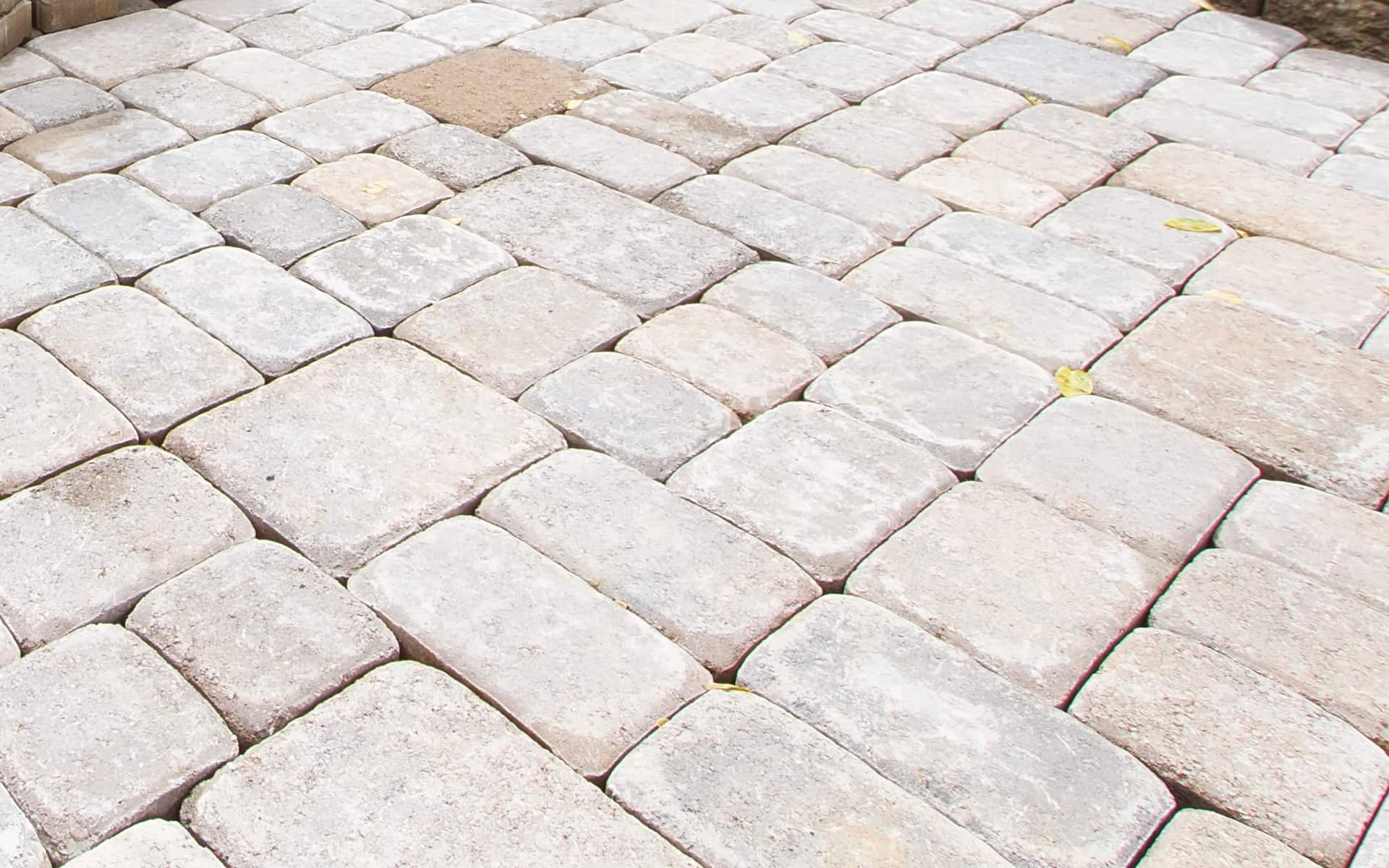
Why Your Pavers Turn White: Efflorescence Causes and Safe Fixes

If your driveway, pool deck, or lanai pavers turn cloudy or chalky after a storm, you are likely seeing efflorescence. That white haze after rain is common in Lakewood Ranch, where summer downpours and high humidity push moisture through porous pavers. The good news: with the right assessment and professional paver sealing, your surface can look rich and clean again and stay that way longer.
In this guide, you will learn what causes efflorescence on pavers, how pros safely remove it, and why sealing matters in our coastal climate. We will also cover simple signals that tell you it is time to bring in a paving contractor instead of trying quick fixes.
What Efflorescence Is and Why It Happens Here
Efflorescence is the movement of water-soluble salts to the surface of concrete or clay pavers. As moisture rises and evaporates, it leaves behind a powdery or milky film that can make colors look faded. Efflorescence is not a stain; it is a mineral deposit, which is why scrubbing with soap rarely helps for long.
Lakewood Ranch, FL sees frequent summer showers, warm evenings, and irrigation overspray. These conditions keep pavers damp for longer stretches. Many paver bases and aggregates also contain calcium-bearing materials. When water travels through those materials, salts ride along and show up as that white film you notice after a storm.
Common Causes of White Haze on Pavers in Lakewood Ranch
- New installations curing as our rainy season ramps up, which moves salts to the surface.
- Poor drainage near driveways, lanais, or cage enclosures that stays damp for days.
- Irrigation spraying hard water on pavers, especially along edges and corners.
- Polymeric sand haze from joints that never fully activated or stayed wet too long.
- Old or non-breathable sealer trapping moisture below the surface and turning cloudy.
- Overly aggressive pressure washing that opens pores and invites more moisture.
Neighborhoods like Country Club, Greenbrook, and Waterside often back up to lakes or preserve areas. That scenic water can mean heavier morning dew and slower drying, which makes the white film more visible at certain times of year.
Local insight: Summer storms and high dew points slow sealer cure times. Pros plan projects around dry windows, use breathable products, and extend cure times to prevent clouding. Avoid rushing work right before an afternoon thunderstorm.
How Pros Diagnose the Problem
A trained paving contractor starts with moisture checks, sealer identification, and a close look at the joints and drainage. The goal is to separate true efflorescence from polymeric sand haze or sealer blush, since each issue needs a different solution.
Pros also look at patterns. A uniform white veil is often efflorescence. Patchy, gummy, or shiny clouding points to failing or incompatible sealer. A gritty film tight to the joints can indicate polymeric residue. Getting this part right prevents repeat problems.
Safe, Professional Fixes That Last
Once the surface is dry enough and the cause is clear, your contractor will choose the right cleaning and sealing plan. Do not acid-wash your pavers. Harsh acids can burn the surface, weaken joints, and void manufacturer guidance. Instead, pros use purpose-made efflorescence removers, controlled dwell times, and thorough rinsing to lift salts without damaging the paver face.
If an old, cloudy coating is present, a sealer strip may be needed before any new finish is applied. After cleaning and neutralizing, the surface must dry to the correct moisture level. Then the team can apply a breathable, high-quality sealer that resists moisture intrusion while allowing vapor to escape. Joint sand is topped up and properly stabilized as part of the process.
Curious how this fits into the bigger picture? You can see how sealing pairs with other exterior work on our exterior services page. For gentle maintenance between restorations, professional gentle soft washing helps protect the finish and keep organic buildup off the surface.
Paver Sealing in Lakewood Ranch, FL: Why It Matters
Our area’s weather swings from dry, sunny winters to humid, stormy summers. That cycle stresses pavers, joints, and coatings. Quality sealing creates a protective barrier that slows water absorption and makes cleanup easier after storms. It also helps keep joint sand in place, which reduces wobble and weed intrusion.
Equally important is breathability. Choose breathable sealers in our humid climate so moisture can escape without clouding the finish. A pro applies the correct film build for the paver type and texture, whether it is a natural-look matte or an enhanced wet look that deepens color without turning slick.
Timing matters too. Many Lakewood Ranch homeowners schedule work from late fall to early spring for quicker drying and more predictable weather. Your contractor will still watch the forecast closely and plan around morning dew, shade patterns, and irrigation timing.
What a Professional Restoration Typically Includes
Every property is different, but a thorough restoration usually follows a proven sequence. The aim is to address the root cause, not just wipe away the symptom.
- Targeted cleaning to release salts or residues without etching the paver surface.
- Rinse and neutralization to balance pH and protect surrounding landscapes.
- Moisture management and dry time based on product specs and local weather.
- Joint sand repair and stabilization to lock the system together.
- Application of a breathable, premium sealer selected for your pavers and exposure.
Never blast pavers at high pressure. Excess force can open pores, scar the surface, and lead to faster, heavier efflorescence down the road. Trained crews use the right nozzles, temperatures, and distances to clean safely.
Preventing the Return of White Haze
Prevention starts with a correct diagnosis and the right materials. Pros select sealers that match the paver composition and site conditions, set realistic maintenance intervals, and plan around irrigation and shade. Where needed, minor drainage adjustments can move water off the surface faster so salts do not linger on top.
For long-term results, a maintenance plan is set to check joints, watch high-traffic areas like entry aprons, and schedule clean-and-reseal service at the proper interval for your sun exposure and splash zones around pools and birdcages. That proactive approach helps you keep the deep color and crisp lines you paid for.
When To Call a Pro in Lakewood Ranch
Some issues are cosmetic, but others point to deeper problems that keep coming back until they are treated correctly. If you notice any of the signs below, it is a smart time to bring in help.
- Widespread white haze after rain that returns within days.
- Sticky or cloudy sealer that looks blotchy or turns gray in shaded areas.
- Loose joint sand, wobble, or weeds popping through after storms.
- Slippery surfaces on driveways, lanais, or around the pool.
- Patchy color where sprinklers or downspouts soak the same areas.
Working with a local team that understands our weather patterns and clay-versus-concrete paver mix makes a difference. For trusted paver sealing in Lakewood Ranch, FL, BIC Cleaning And Coatings is ready to help with a clear plan and proven materials.
A quick note on safety: Skip harsh chemicals and off-the-shelf coatings. The wrong product can trap moisture and make the haze worse. Our technicians match cleaners and sealers to your exact paver type and exposure for a reliable finish.
Your Next Step
If white haze has dulled your pavers in Country Club, Greenbrook, Summerfield, or Waterside, it can be fixed with the right process. See how our team restores color and protects your investment with expert paver sealing. Have questions or want to book an on-site evaluation? Call us at 941-321-2859, and we will schedule a convenient visit.
