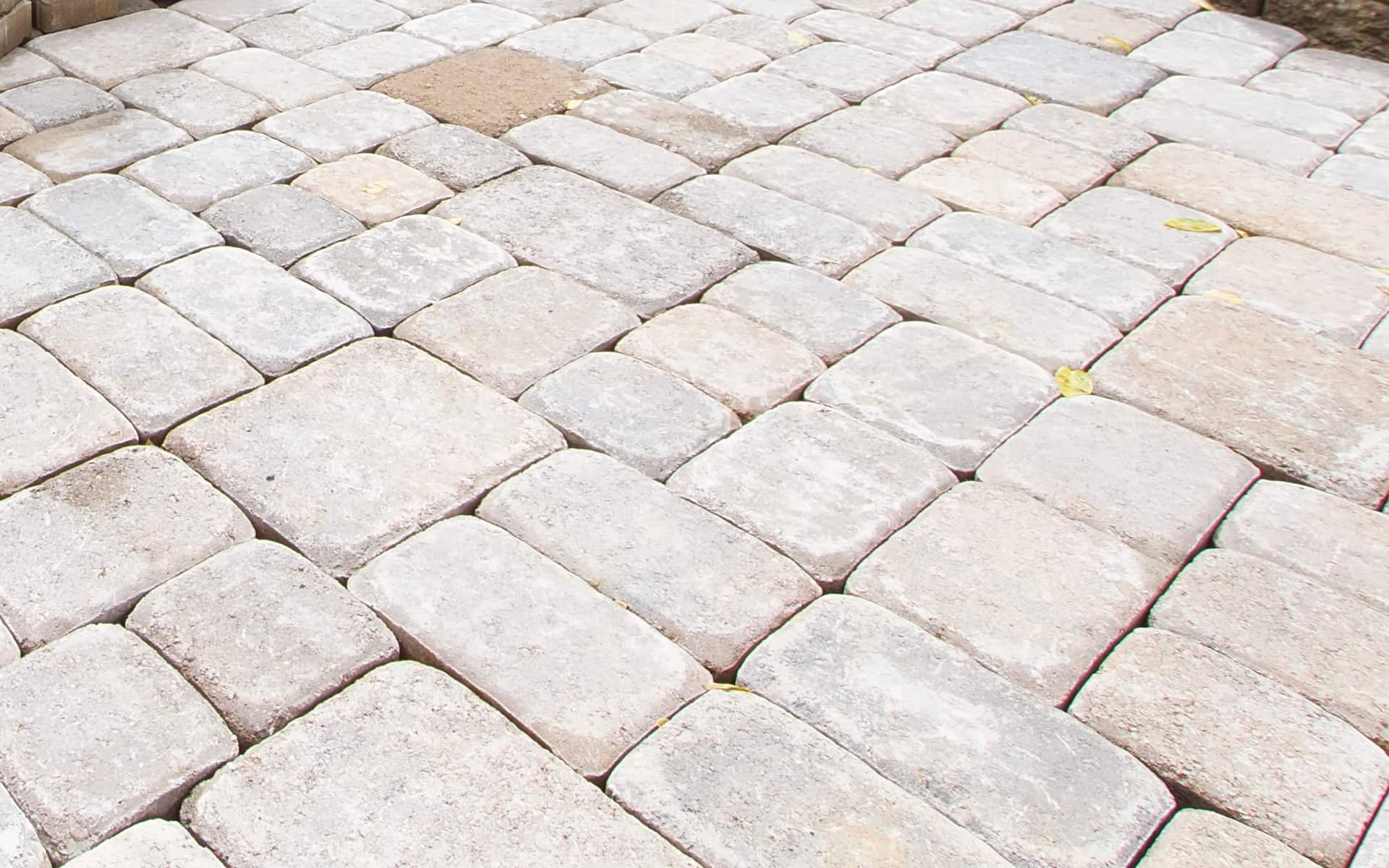
Why Paver Driveways Fail in Lakewood Ranch, FL: 5 Installation Mistakes That Lead to Sinking and Shifting | Lakewood Ranch paving contractors
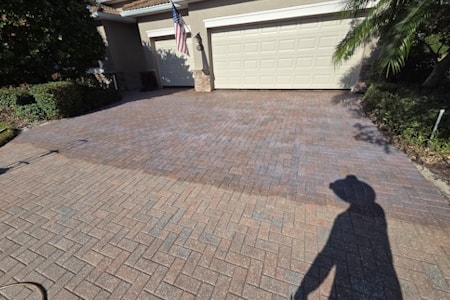
When a paver driveway sinks, spreads, or ripples after a storm, it is rarely a mystery. It usually traces back to how the foundation was built beneath the pavers. In Lakewood Ranch, summer downpours, sandy soils, and a high water table raise the stakes. That is why working with proven local paving contractors matters.
This guide explains the five installation mistakes that most often lead to failure in neighborhoods like Waterside, Greenbrook, and Country Club East. You will learn how professionals design for Florida weather, what warning signs to watch for, and why small shortcuts at the start can create big headaches later.
Paver Driveway Sinking In Lakewood Ranch: What Really Causes It
Think of a driveway like a house: the part you see is only as strong as the foundation underneath. Paver installation depends on the subgrade, base, bedding layer, and edge restraints working together. In our coastal climate, heavy rain can turn soft spots into sink points, while irrigation leaks can wash out joint sand and base material over time.
Most failures start invisible, then show up as low spots, rocking pavers, or spreading edges. The cause is almost always below the surface, which is why quick cosmetic fixes rarely last.
Mistake 1: Skipping Soil Evaluation And Stabilization
Florida soils vary from lot to lot. Newer sections of Lakewood Ranch may have imported fill sitting over native sand. Without checking soil type, moisture, and bearing strength, a crew may set a base on ground that is not ready to carry vehicles. Soft pockets compact later under tire loads, and that is when you see dips or ruts after the first rainy season.
Professionals test and proof-roll subgrade, then stabilize weak areas before building up the base. Skipping this step saves time on day one and costs durability for years.
Mistake 2: Using The Wrong Base Or Not Enough Of It
The base carries almost all the load. Too thin, and it will flex. The wrong aggregate, and it will shift or hold water. In Lakewood Ranch, a well-graded, angular base that locks together is essential to resist washouts during summer storms.
- Thin bases compress under SUVs and delivery trucks, creating sink spots at wheel paths.
- Poorly graded rock leaves voids that collect water, softening the layer under traffic.
- Rounded stones act like marbles and can migrate during heavy rain events.
Mistake 3: Poor Compaction And No Geotextile Over Florida Sand
Compaction turns loose layers into a solid platform. If crews rush passes or use the wrong equipment, the base can look flat but still be soft below the surface. Over time the bedding layer settles into those weak points and the pavers follow.
Avoid installing over saturated ground. Water trapped in the base or subgrade pumps under load and creates voids. A simple separator fabric between native sand and the base helps stop fines from migrating upward during storms. When that barrier is missing, the base blends with the soil below and loses strength each summer.
Mistake 4: Bad Drainage And Slope Errors
Pavers are permeable at the joints, but they are not a drain system. A driveway should move water off the surface quickly and keep it away from the base. In areas near wetlands or lakes, placing the driveway too flat or directing water toward the garage sets up trouble. Water lingers, joint sand washes out, and the bedding layer can soften and rut.
Good designs use subtle, consistent slopes that guide rain toward a swale or drain, not into planting beds or the street where it returns as splash. Gutters, downspouts, and nearby hardscapes should be checked so they do not dump onto the driveway edge.
Mistake 5: Weak Edge Restraints And Joint Sand Missteps
Driveways rarely fail in the middle first. They fail at the edges. Without sturdy edge restraints anchored into the base, the borders walk outward and the field pavers start to spread. Vehicles turning in the same spot near the curb speed this up.
Edge restraints are non-negotiable. When borders move, gaps open, joint sand escapes, and weeds take hold. Polymeric sand can help lock joints, but if it is applied to a dirty surface, overwatered, or not activated correctly, it will not perform. Sand that looks cured can still wash out in the next thunderstorm if the instructions are not followed with care.
What Failure Looks Like In Lakewood Ranch Neighborhoods
Failing paver driveways share common patterns across Summerfield, Esplanade, and The Lake Club. The symptoms build slowly, then become obvious after a stretch of wet weather or heavy holiday traffic.
- Low spots that hold water longer than the rest of the driveway after rain
- Rocking or hollow-sounding pavers along wheel paths and near the apron
- Spreading edges, tilted borders, or cracked joint lines at the curb cut
- Sand streaks on the sidewalk after storms and thin joints that invite weeds
How Pros Fix A Sinking Or Shifting Paver Driveway
Repairs aim at causes, not just symptoms. A professional team lifts affected sections, addresses the base and drainage, and then re-installs pavers so the surface sits on a stable platform. Where patterns have spread, borders are reset and re-anchored to restore interlock.
Depending on site conditions, a repair plan may include localized base replacement, added drainage, or a broader rebuild if the original foundation was underbuilt. Work areas are compacted in thin, even lifts and checked for smooth, continuous slope to keep water moving where it should go.
Build It Right For Florida Weather
Designing for Lakewood Ranch is about anticipating summer rains, sprinkler overspray, and occasional tropical systems. Materials and methods must handle sudden cloudbursts without letting fines migrate or joints erode. That is why experienced teams invest time below the surface before a single paver is set.
Crews that understand our soils use separator fabric where needed, build a base that interlocks under load, and verify compaction and slope at each step. The result is a driveway that looks the same in year five as it did on day one, even after storm season.
Why Shortcuts Cost More Over Time
On the surface, skipping soil checks or trimming base depth can look like a time saver. But small dips collect water, water weakens the base, and the repair area grows. Homeowners end up paying twice: once for the first build and again to fix what should not have failed.
It is the same story with edge restraints and joint sand. If borders move and sand washes out, the pattern loosens. Vehicle loads magnify the problem and the pavers begin to migrate. Addressing these details during installation protects the whole system.
Plan Around Irrigation, Utilities, And Access
Many Lakewood Ranch homes have tight driveways bordered by lawns and landscape beds. Irrigation lines often run along the edge where vehicles turn in. If these lines leak, they saturate the base and cause chronic soft spots. Coordinating with irrigation and utility locations during installation avoids hidden water sources that undermine a good foundation.
Access also matters. Heavy delivery trucks and frequent U-turns concentrate force near the apron. Good layouts thicken the base or strengthen restraints in high-stress zones so traffic does not deform the surface.
Seasonal Considerations For Lakewood Ranch, FL
Our dry season is friendlier for base work because layers compact more uniformly when moisture is controlled. In the wet season, it is smart to plan around storm patterns so the base does not soak before it is locked in. Even with careful scheduling, crews watch weather windows closely to protect the work in progress.
After installation, the first few weeks matter. Keeping heavy loads off a new driveway until joint sand is fully set helps the system settle as intended. That way the first major rain meets a stable surface instead of a vulnerable one.
Choosing A Team That Builds For Longevity
Look for a clear process that covers soil evaluation, base design, compaction targets, drainage planning, and anchored edges. Ask how slopes are verified and what aggregate mix is used for the base. A reputable team will explain the why behind each step and tailor details to your site conditions.
Communication is a signal too. If a contractor can show you how they will manage Lakewood Ranch weather and protect adjacent landscaping, they likely deliver the kind of build that lasts.
Protecting Your Investment After The Build
Maintenance is simple and preventive. Keep gutters clear and redirect downspouts that drain onto the driveway edge. Watch the first storm after installation to confirm water flows as planned. If you ever notice new standing water or sand trails, call a pro before minor issues spread across the field.
Sealers can help resist stains and slow joint erosion in high-traffic zones. Their value depends on exposure and use, and timing varies by product. A professional can recommend a schedule that fits your driveway and neighborhood conditions.
Ready to protect your curb appeal and avoid repeat repairs? Work with a team that treats the unseen layers with the same care as the surface pattern. Your driveway should handle thunderstorm season without wobbling, washing out, or wandering.
For trusted Lakewood Ranch paving contractors, contact BIC Cleaning And Coatings at 941-321-2859 today. Let us take care of your service needs as the top Lakewood Ranch paving contractors in the area.
