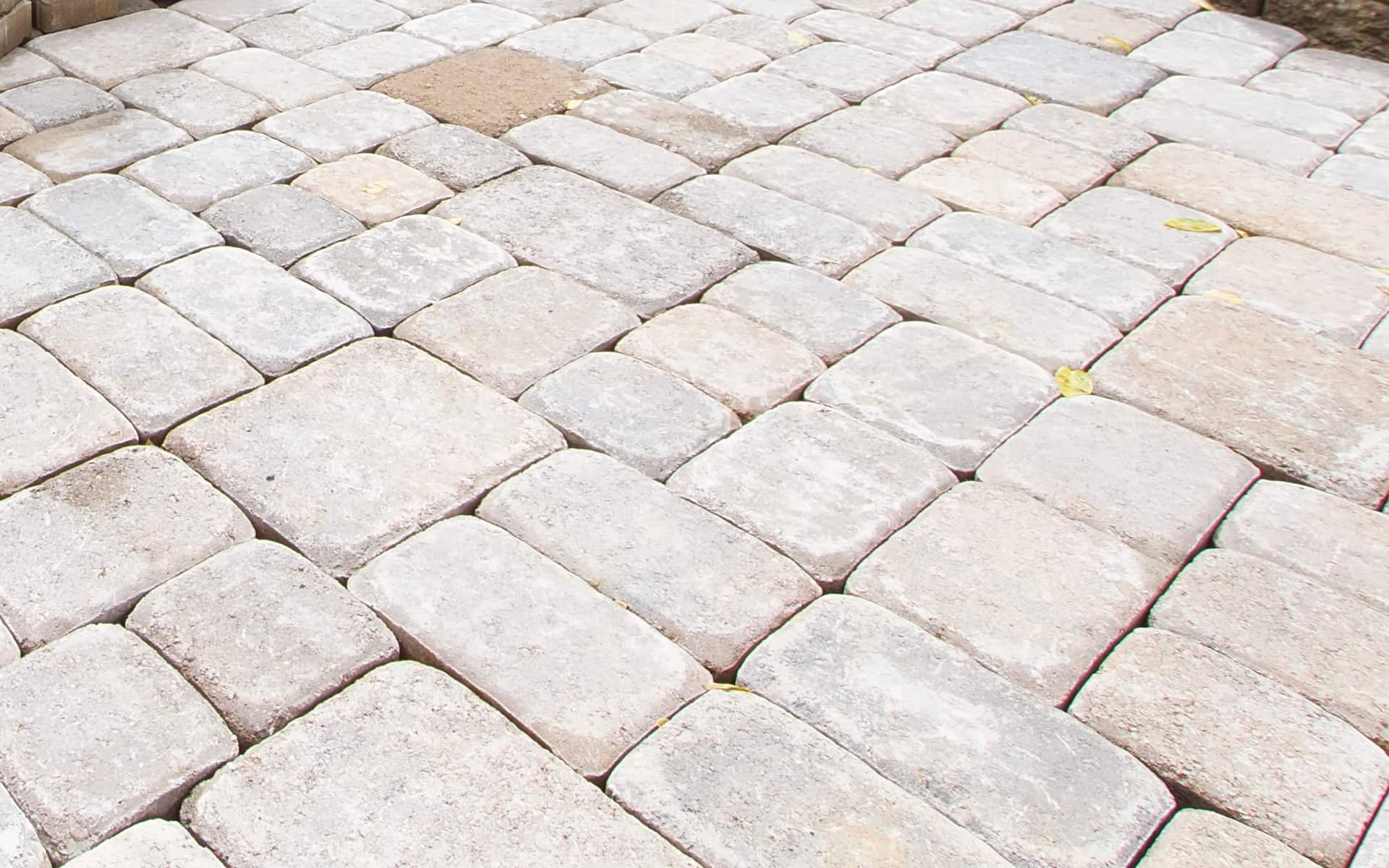
Paver Sealing vs. Paver Restoration in Lakewood Ranch, FL: Which One Do You Actually Need?
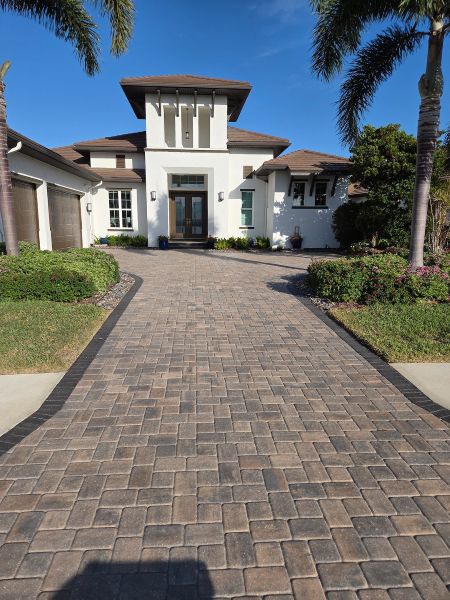
Sun, rain, sprinklers, and pool water put a lot of stress on pavers in Lakewood Ranch. If your driveway or pool deck looks dull, hazy, or uneven, you might be wondering whether simple paver sealing will do the job or if you need full paver restoration. This guide breaks down the difference, helps you spot the right service for your home, and explains how BIC Cleaning And Coatings protects your investment. If you want a deeper dive into what happens during the service, visit our paver sealing service page.
We see common conditions across neighborhoods like Country Club East, Greenbrook, Central Park, Waterside, and Esplanade. UV exposure fades color. Summer storms wash out joint sand. Irrigation overspray leaves rust or calcium. The right solution depends on what your pavers are showing today, not just how long it has been since the last service.
What Is Paver Sealing in Lakewood Ranch, FL?
Paver sealing is a protective treatment applied to clean, sound pavers. A professional-grade sealer helps block water, oil, and UV rays, deepens color, and locks in sand between joints so the surface looks richer and stays tighter. It is ideal when the surface is generally in good condition without major stains, white haze, or failing old sealer.
When paver sealing is the right fit, you can expect:
- Color enhancement that brings out the natural tone of brick or stone without a painted look.
- Joint stabilization to help reduce weed growth and ant trails after proper sanding.
- Resistance to pool chemicals, sprinkler overspray, and driveway drips.
- A finish that ranges from natural to satin to wet look, depending on material and preference.
Homeowners often choose sealing for newer installs or for surfaces that were properly restored in the past and now just need maintenance. It keeps good pavers looking great for longer.
What Is Paver Restoration?
Paver restoration goes beyond protection and tackles underlying problems first. This service is designed for surfaces with failing or uneven appearance, heavy staining, sunken areas, or a sealer that turned white or sticky. Restoration typically includes deep cleaning, targeted stain treatments, removal of failed sealer if present, resetting uneven pavers, sanding joints, and then applying fresh sealer once the surface is sound.
Choose restoration when you notice issues like:
- White haze, blushing, or cloudy film that does not rinse off.
- Peeling, flaking, or tacky sealer that traps dirt.
- Rust streaks from irrigation, oil spots on driveways, or tannin leaf stains around lanais.
- Loose, low, or hollow pavers that collect water after storms.
If an old coating is failing, sealing over it will not fix the problem. The failed layer must be safely stripped and the surface restored so the new sealer bonds correctly.
How To Tell Which Service You Actually Need
Think of sealing as a raincoat for a healthy surface and restoration as the repair and cleaning your jacket needs after it gets torn and stained. Here is a quick way to decide:
Pick sealing if your pavers are even in color, free of haze, and only look a bit dry or dull. Light marks from foot traffic or a small rust drip can often be addressed during prep before sealing.
Pick restoration if you see white blotches, sticky residue, or widespread stains. If sand washes from joints after every storm or if pavers move underfoot, restoration with re-sanding and repairs brings the base back into shape before protection.
Still not sure? Your situation may sit between both. In those cases, a partial restoration on the worst areas followed by sealing across the entire surface can deliver a consistent look.
Common Problems In Our Climate
Lakewood Ranch weather is beautiful, but it is tough on hardscapes. Spring to fall UV fades pigment. Afternoon thunderstorms push water through joints. On shaded lanais, mildew can return quickly. If your irrigation pulls from a well or passes over concrete edging, iron can spot pavers orange. Around pools, salt or chlorine accelerates wear.
White haze is almost always a sign of moisture trapped under an old sealer or of incompatible products layered over time. That calls for restoration, not a quick reseal. Rust and fertilizer stains respond to specialized treatments that will not etch or bleach pavers when used correctly. For joint integrity, polymeric sand helps resist washouts when installed with the right compaction and moisture control.
Local tip: Schedule sealing or restoration before peak rainy season when possible, and allow proper cure time. Around pool decks and entries, ask for a traction-friendly finish to reduce slip risk after storms.
The Paver Sealing Process We Follow
A quality outcome starts with a detailed inspection. We look at traffic patterns on drives off Lakewood Ranch Boulevard, splash zones near screen enclosures, and shade lines that can affect cure times. Professional prep includes an appropriate cleaning system and pH balancing so the surface is ready for sealer. Joints are topped up with the right sand for your paver type and setting, then compacted and set.
After prep, the sealer is applied at the correct coverage rate for your material and porosity. The goal is a uniform, breathable film that enriches color without trapping moisture. We confirm edges, drains, and expansion joints are clean so the final look is even from driveway apron to garage door and from coping to the back wall of your pool deck.
Do not rush the cure window. Foot traffic and vehicle return times vary by product, temperature, and humidity. Your technician will outline safe timelines to protect the finish.
The Paver Restoration Process We Follow
Restoration begins with diagnosing the cause of failure. If a previous coating turned white, we identify whether the issue is moisture, over-application, or incompatible chemistry. Failed layers are carefully stripped so we do not force residue deeper into pores. Stains are treated with targeted solutions for oil, rust, leaf tannins, or calcium from sprinklers.
Where settling is visible, individual pavers are lifted, base material is adjusted, and pieces are reset to restore drainage. Joints are re-sanded to proper depth and compacted so the field locks up tight. Only when the surface is clean, dry, and stable do we apply fresh sealer for long-term protection and a consistent appearance across the driveway, walkway, or lanai.
Color Enhancement, Sanding Joints, and Stain Removal Explained
Color enhancement gives your pavers that just-installed richness. It is not paint. On tumbled brick and many concrete pavers, a satin or wet-look sealer can make tones pop while still showing texture. On natural stone or pavers that run hot in the sun, a natural-matte finish might be better so the surface stays cooler under bare feet around the pool.
Sanding joints is more than filling gaps. Proper joint sand reduces lateral movement, helps limit weeds, and supports edge restraint. The depth, grain, and compaction pattern matter, especially in areas like Waterside and The Lake Club where wind and heavy rain can blow out shallow joints. After sanding, sealing helps lock particles in place.
Stain removal depends on the source. Oil on a driveway near the garage needs a different approach than rust from well water or leaf tannins under an oak. Effective restoration isolates each type and treats it with solutions made for that contaminant so the color returns without harsh bleaching. If you see flaking or gummy spots from an old sealer, that points to restoration rather than a quick reseal.
How Long Results Last
Service life varies with exposure, traffic, and maintenance. Pool decks under partial shade hold a finish longer than south-facing driveways that bake from late morning to late afternoon. In general, a well-prepped sealing on a sound surface provides reliable protection until it is due for routine maintenance again. Restored surfaces last as well or better, since the problems underneath were solved first.
To keep the look, plan on light cleaning as needed and periodic professional testing to decide when it is time to refresh the sealer. That timing is based on performance, not a fixed calendar. When water no longer beads or color starts to flatten, you are entering the window for maintenance sealing.
What Homeowners In Lakewood Ranch Care About
Driveways need to stand up to vehicles and afternoon thunderstorms. Pool decks must look great without getting slick. Walkways, entries, and lanais should be attractive and low maintenance. We choose finishes with traction in mind, especially around water. We also pay close attention to expansion joints, drains, and screened enclosures so the finished surface looks even from every angle.
For many homes in Country Club East and The Lake Club, architectural style favors a clean, enhanced look rather than a high-gloss shine. That can be achieved with the right sealer and application rate. On newer builds in Waterside or Central Park, sealing early helps lock in color and protect joints before seasonal storms arrive.
Maintenance After Your Project
After sealing or restoration, follow the cure guidance you receive. Light foot traffic often resumes first, travel with carts or strollers comes later, and vehicle return is last. Keep sprinklers off the work area during the initial cure window. Blowing off leaves and rinsing with clean water preserves the finish between professional checkups.
You can always revisit our standards for paver sealing in Lakewood Ranch, FL to see how we approach protection and maintenance. Consistent care helps avoid the cycle of failure that leads to white haze or joint washouts.
Which Service Is Right For You Today?
If your pavers are healthy but look dry or faded, sealing will refresh color and lock in joints. If you are fighting haze, sticky residue, or set-down areas after storms, restoration is the smarter move because it fixes root causes first. Either way, the goal is the same: a safer, richer-looking surface that lasts through Florida weather.
Ready To Protect Your Driveway or Pool Deck?
BIC Cleaning And Coatings is here to help you choose the right path with clear expectations and careful workmanship. To schedule a professional evaluation or to book service, visit our paver sealing page or call 941-321-2859. We will review your surface, explain the options, and deliver a finish that fits your home and lifestyle.
